
Wrongful Conviction & Incarceration
Wrongful Conviction & Incarceration Lawyers
Few injustices are more devastating than being wrongfully convicted or imprisoned for a crime you did not commit. Losing years of your life to incarceration can cause immense emotional, financial, and personal harm — affecting your family, your career, and your future.
At Harry Coleman Law, we represent individuals who have been wrongfully convicted or imprisoned due to misconduct, constitutional violations, or failures in the justice system. When law enforcement or prosecutors violate a person’s rights and that misconduct leads to wrongful incarceration, civil rights law may provide a path toward accountability and compensation.
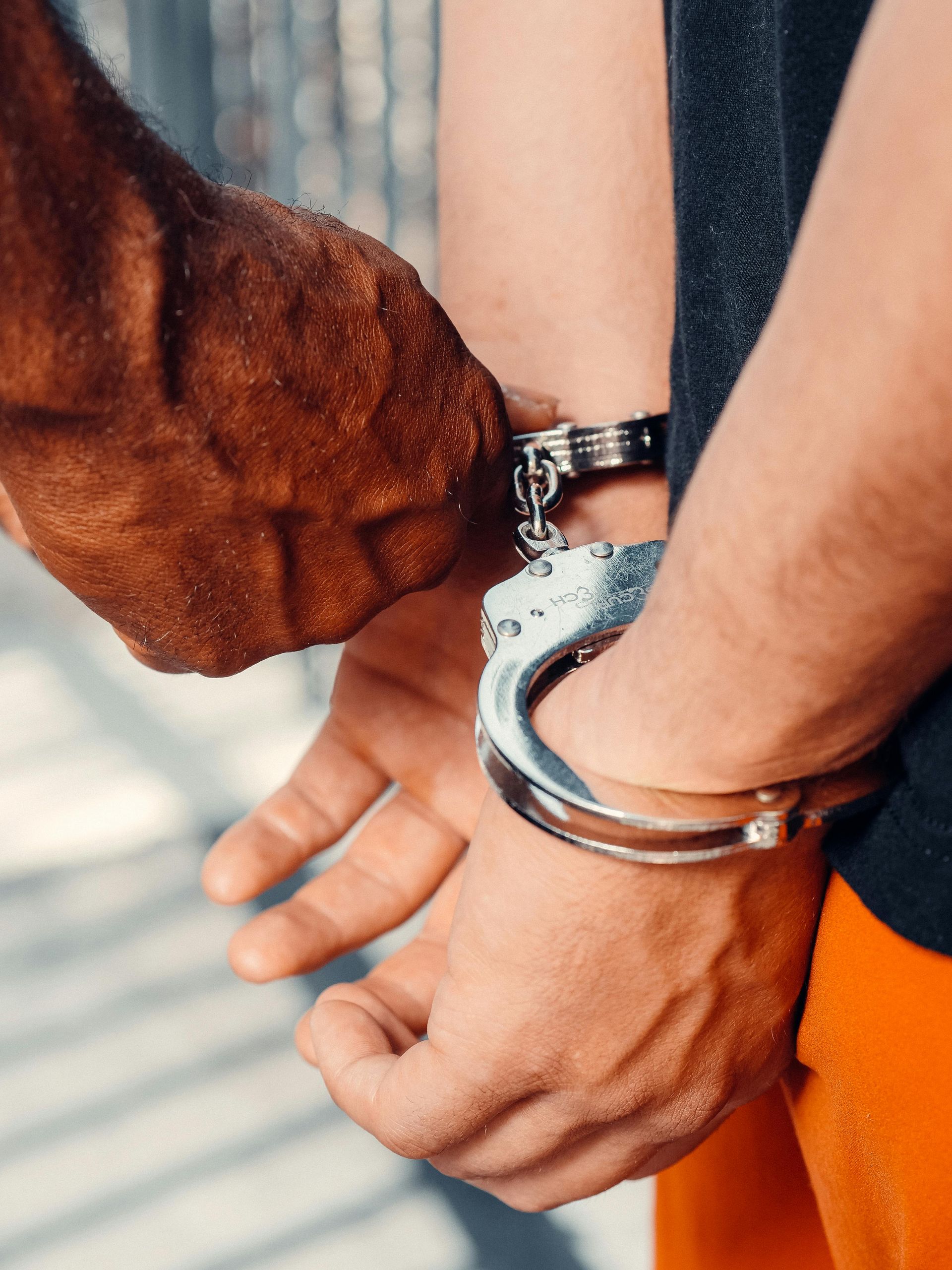
What Is a Wrongful Conviction?
A wrongful conviction occurs when someone is found guilty of a crime they did not commit, often due to serious errors or misconduct during the investigation or prosecution process.
These cases may involve violations of constitutional rights, including the right to due process, the right to a fair trial, and protection against unlawful detention.
Wrongful incarceration can occur for many reasons, including flawed investigations, improper interrogation practices, or suppression of evidence that could prove innocence.
Common Causes of Wrongful Convictions
Many wrongful conviction cases share common patterns of error or misconduct. These can include:
- False Confessions: Coercive interrogation tactics that pressure innocent individuals into confessing.
- Police Misconduct: Fabrication of evidence, improper investigations, or constitutional violations.
- Prosecutorial Misconduct: Failure to disclose exculpatory evidence or reliance on unreliable testimony.
- Eyewitness Misidentification: One of the leading causes of wrongful convictions.
- Faulty Forensic Evidence: Improper testing methods or unreliable expert testimony.
- Ineffective Legal Representation: Failures in defense that prevented a fair trial.
When these failures result in years of wrongful imprisonment, civil rights claims may arise once the conviction is overturned.
Legal Claims After a Wrongful Conviction
Individuals who were wrongfully convicted may be able to pursue civil claims after their conviction is vacated, reversed, or otherwise invalidated. These cases often involve federal civil rights claims under 42 U.S.C. §1983, which allows individuals to seek compensation when government officials violate constitutional rights.
Potential claims may involve:
- Malicious Prosecution
- Fabrication of Evidence
- Brady Violations (failure to disclose exculpatory evidence)
- Coerced Confessions
- Unlawful Detention
Successful civil rights claims can provide compensation for the years lost to wrongful incarceration and the profound impact it has had on the individual’s life.
Evidence Used in Wrongful Conviction Cases
Wrongful conviction cases often require extensive investigation and documentation. Evidence may include court records, investigative files, police reports, witness testimony, forensic analysis, and newly discovered evidence such as DNA testing.
These cases may also involve expert testimony regarding interrogation practices, forensic methods, or prosecutorial standards. Because wrongful conviction litigation frequently occurs in federal court, building a well-documented case is essential.
The Impact of Wrongful Imprisonment
Wrongful incarceration can affect every aspect of a person’s life. Years spent in prison may result in lost employment opportunities, damaged relationships, psychological trauma, and difficulty reintegrating into society after release.
Civil rights claims cannot restore lost time, but they can provide financial recovery and hold responsible parties accountable for the violations that occurred.
These cases also help expose systemic failures that can lead to reforms in law enforcement and prosecutorial practices.
Frequently Asked Questions
Can someone sue for being wrongfully convicted?
Yes. If a conviction was overturned and constitutional violations contributed to the wrongful conviction, civil rights claims may be possible.
What must happen before a wrongful conviction lawsuit can be filed?
Typically, the conviction must be overturned, vacated, or otherwise invalidated before certain civil claims can proceed.
What compensation may be available?
Depending on the case, compensation may include damages for lost years of freedom, emotional distress, lost wages, reputational harm, and other impacts caused by the wrongful imprisonment.
How long do wrongful conviction cases take?
These cases can take time because they involve extensive investigation and complex legal issues. However, pursuing accountability can be an important step toward rebuilding one’s life after wrongful incarceration.
Speak With a Civil Rights Lawyer
If you or a loved one has experienced wrongful conviction or incarceration due to misconduct or constitutional violations, it may be possible to pursue a civil rights claim.
Our firm offers confidential consultations to review potential cases and discuss available legal options.