
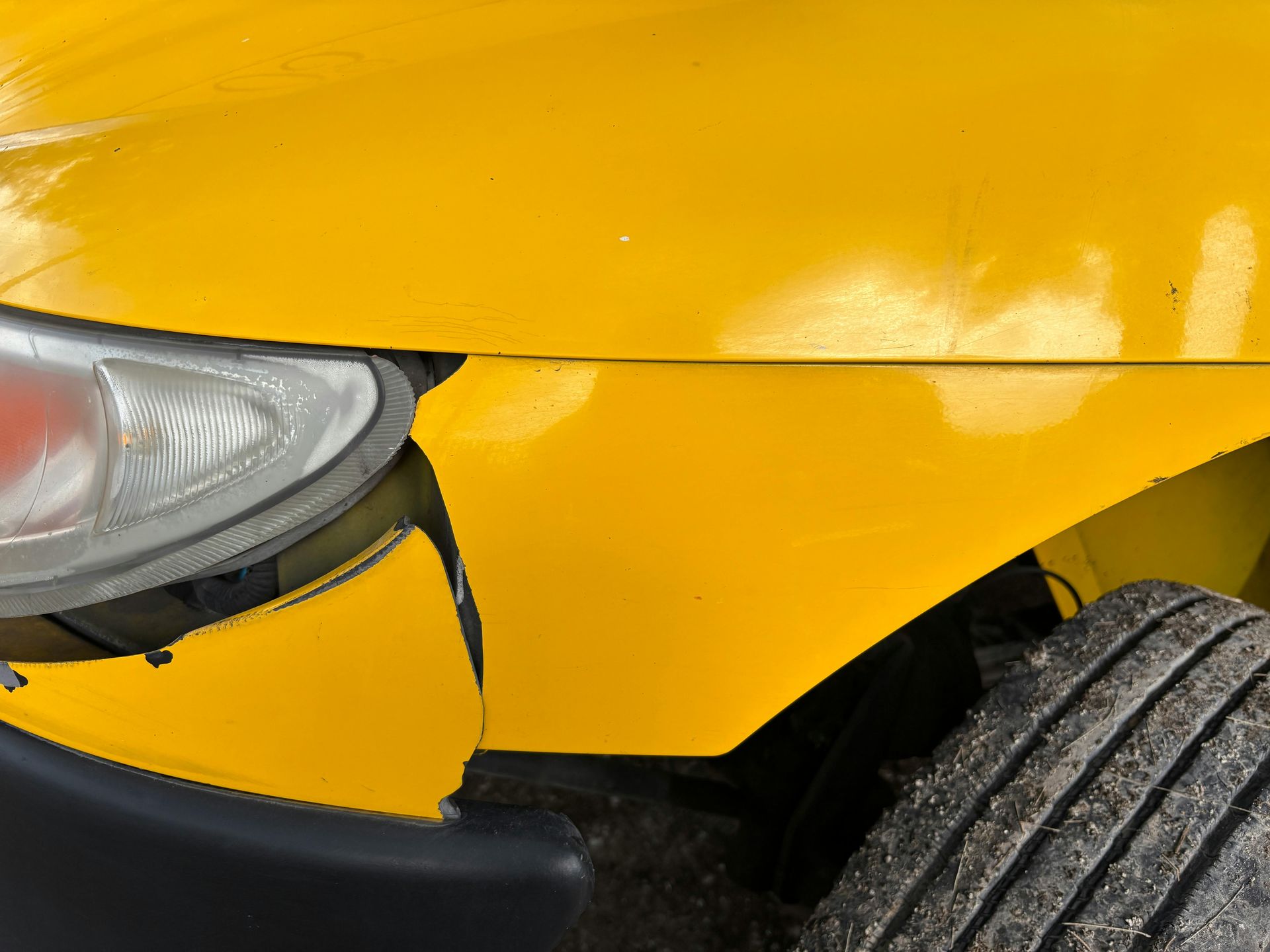
Quick Summary: After a car accident in Pennsylvania, your first priorities are to get medical care, take photos, be careful with insurance conversations, and act before important deadlines pass. Even if you feel okay, prompt treatment and good documentation can protect both your health and any future claim. Before giving a recorded statement to the other driver’s insurer, it helps to understand your rights and the steps that can affect your case. The Law Office of Harry Coleman helps injury clients across Carbondale, Scranton, Wilkes-Barre, Philadelphia, Pittsburgh, Harrisburg, and throughout Pennsylvania build claims the right way from the start. A crash can leave you shaken, sore, and unsure what to do next. Whether the accident happened on I-81 near Scranton, in Downtown Philadelphia, around Pittsburgh’s parkways, or on a local road near Carbondale or Wilkes-Barre, the early decisions you make matter. The goal is not to do everything perfectly. The goal is to protect your health, preserve the facts, and avoid mistakes that insurance companies may try to use against you later. 1. Check for injuries and get medical help first Your health comes first. Call 911 if anyone is seriously hurt, if there is significant vehicle damage, or if the scene is unsafe. If you are able to move, get to a safer location when appropriate and wait for emergency responders. Even if you think your injuries are minor, get checked out as soon as possible. Some injuries, especially neck pain, back pain, concussions, and soft tissue damage, may not fully show up until hours or days later. If you wait too long to seek treatment, the insurance company may argue that you were not really hurt or that something else caused your condition. 2. Call the police and make sure a report is created In many Pennsylvania crashes, a police response is important for both safety and documentation. A police report can help establish when and where the crash happened, who was involved, and what initial observations were made at the scene. When speaking with police, be respectful and stick to the facts. Do not guess. Do not exaggerate. And do not minimize your injuries just because you feel pressured to keep things moving. If you are not sure about something, it is fine to say you are not sure. 3. Take photos and video before the scene changes If you can do so safely, document as much as possible before vehicles are moved and evidence disappears. Try to photograph the vehicles from multiple angles, license plates, skid marks, debris, road conditions, traffic signs, weather conditions, and any visible injuries. These details can matter later, especially in disputed crashes. A few good photos taken right away may say more than a long explanation weeks later. 4. Exchange information, but keep the conversation brief Get the other driver’s name, contact information, insurance information, plate number, and vehicle details. If there are witnesses, ask for their names and phone numbers too. Keep your conversations short and polite. This is not the time to debate fault or try to smooth things over with statements like “I’m sorry” or “I didn’t see you.” Even casual comments can be repeated later in a way that hurts your claim. 5. Notify your insurance company, but be careful with statements You should report the crash to your own insurer promptly. Give basic facts and cooperate as required by your policy. At the same time, understand that the other driver’s insurance company is not on your side. If the other insurer calls you quickly, that is normal. Their adjuster may sound helpful and friendly, but their job is to protect the company’s interests. Before giving a recorded statement, signing authorizations, or discussing your injuries in detail, it is smart to slow down and understand what is at stake. The Law Office of Harry Coleman often helps clients in Carbondale, Scranton, Wilkes-Barre, Philadelphia, Pittsburgh, and Harrisburg understand what should and should not be said early in the process. Clear guidance before you respond can make a real difference. 6. Keep the right records from day one A strong claim is built with records, not assumptions. Start a file and keep everything connected to the crash, including: Medical records and discharge papers Bills, receipts, and prescription costs Photos of injuries and vehicle damage The police report or report number Insurance letters, emails, and claim numbers Repair estimates Pay stubs or work records showing lost time A simple journal of pain, limitations, and appointments You do not need a perfect system. You just need to keep things organized enough that the timeline and impact of the accident are clear. 7. Follow your treatment plan One of the most common problems in accident claims is a gap in treatment. If you miss appointments, stop care too soon, or fail to follow medical advice, an insurer may argue that you were not badly hurt. If a provider recommends follow-up care, physical therapy, imaging, or specialist visits, take those instructions seriously. If cost or scheduling is a problem, document that too. Consistency matters. 8. Be careful on social media After a crash, insurance companies and defense lawyers may look for photos or posts they can use to downplay your injury. Even harmless posts can be taken out of context. It is safest to avoid posting about the accident, your activities, or your recovery while a claim is pending. 9. Know when to call a lawyer Not every crash requires legal help, but many do. It may be time to call a lawyer if you have meaningful injuries, missed work, disputed fault, an insurer pressuring you for a statement, or questions about what your case may involve. It can also help to get legal guidance if the accident involved multiple vehicles, a commercial truck, unclear liability, or a pedestrian or passenger injury. Early case work often includes collecting records, preserving photos, identifying witnesses, and organizing the claim before key details are lost. You can learn more about the firm’s injury work here: Personal Injury: https://www.harrycolemanlaw.com/personal-injury Car Accidents: https://www.harrycolemanlaw.com/car-accidents Pennsylvania deadlines In Pennsylvania, the general deadline to file a car accident injury lawsuit is often two years from the date of the crash. That sounds like a long time, but evidence can disappear much sooner. Video may be erased. Witnesses may become hard to find. Records can get harder to gather. There can also be exceptions or shorter timelines depending on the facts, especially if a government vehicle or public entity is involved. That is one reason it helps to confirm deadlines early instead of assuming there is plenty of time. What comparative negligence means in Pennsylvania Pennsylvania follows a comparative negligence rule. In simple terms, that means fault can be shared. If you were partly at fault, that does not automatically mean you lose your claim. But your compensation can be reduced by your share of responsibility. For example, if you were found 20 percent at fault, your recovery could be reduced by 20 percent. If you are found more than 50 percent at fault, you generally cannot recover damages from the other side. That is why careful documentation matters so much. The facts of how the crash happened can directly affect what a case is worth. A calm, practical next step After a Pennsylvania car accident, you do not need to have every answer immediately. You do need to protect your health, document what you can, and be cautious with insurance conversations before the full picture is clear. The Law Office of Harry Coleman helps injury clients across Carbondale, Scranton, Wilkes-Barre, Philadelphia, Pittsburgh, Harrisburg, and throughout Pennsylvania build claims the right way from day one. If you want clear next steps and a realistic review of your situation, request a free case evaluation.